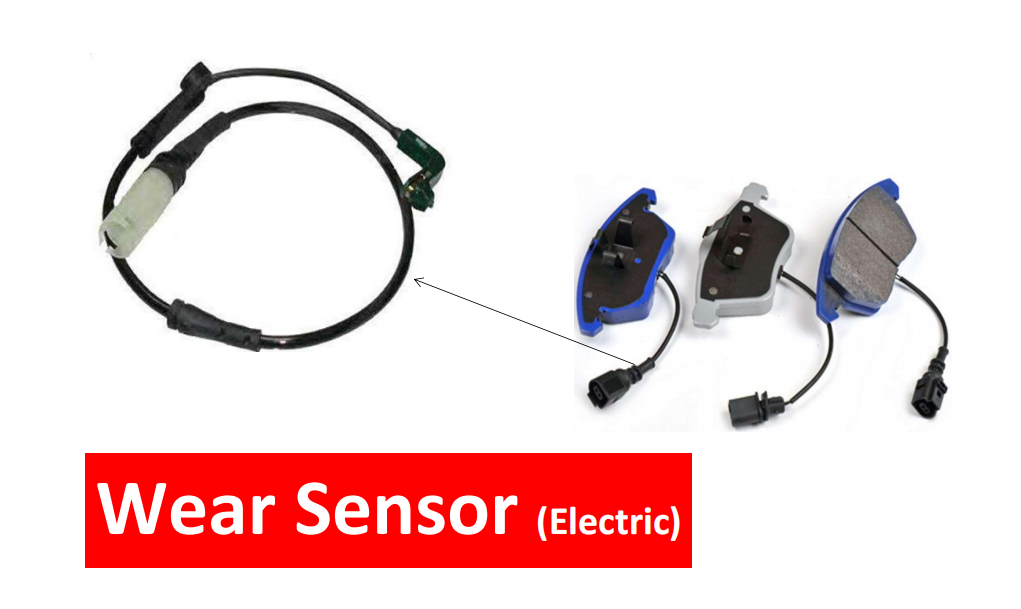
Automotive brake pad manufacturers take you to understand the usefulness of brake pads electronic wear sensors alarming wires.
What Is a Brake Pad Electronic Wear Sensor and How Does It Work?
Modern vehicles rely on a variety of sensors to monitor important components and provide early warnings when maintenance is required. One important component of the braking system is the brake pad electronic wear sensor, also known as a brake wear indicator or brake pad wear sensor cable.
This component helps drivers identify when brake pads have reached their recommended replacement limit, allowing maintenance to be carried out before excessive wear affects braking performance.
What Is a Brake Pad Electronic Wear Sensor?
A brake pad electronic wear sensor is an important monitoring component used in many modern passenger cars and commercial vehicles. It is commonly installed together with the brake pad and connected to the vehicle's electrical monitoring system.
Electronic brake wear sensors were first widely adopted by many European vehicle manufacturers and are now commonly used across a growing range of vehicle brands worldwide.
The sensor provides an early warning when the brake pad friction material becomes excessively worn.
How Does a Brake Pad Wear Sensor Work?
The working principle of an electronic brake pad wear sensor is relatively simple.
One end of the sensor is positioned near or integrated into the brake pad friction material, while the other end connects to the vehicle's electrical monitoring system.
As the brake pad wears down during normal operation, the friction material gradually approaches the wear sensor. Once the brake pad reaches its predetermined wear limit, the sensor circuit is triggered or broken.
The vehicle's electronic control system then detects the signal and activates a warning light on the dashboard. This alerts the driver that the brake pads should be inspected and replaced.
By providing a clear maintenance warning, a brake pad wear sensor can help prevent drivers from continuing to operate the vehicle with excessively worn brake pads.
Why Are Electronic Brake Wear Sensors Important?
Brake pads naturally wear during vehicle operation. However, drivers cannot always visually inspect the remaining friction material.
An electronic brake wear sensor provides several important benefits:
Provides a timely brake pad replacement warning
Helps reduce the risk of excessive brake pad wear
Supports preventive vehicle maintenance
Improves maintenance efficiency for workshops and fleet operators
Helps protect other brake system components from damage caused by severely worn brake pads
For vehicle repair businesses, aftermarket distributors, and brake pad manufacturers, reliable wear sensors are an important part of a complete brake pad solution.
How to Identify a Quality Brake Pad Wear Sensor
As demand for electronic brake wear sensors continues to grow, product quality has become increasingly important.
A reliable brake wear sensor should provide stable electrical performance and consistent activation at the correct brake pad wear level.
When evaluating brake pad electronic wear sensors, buyers should consider the following factors.
1. Material Quality
High-quality insulation materials and durable sensor housings help improve resistance to heat, moisture, road debris, and other demanding operating conditions.
2. Accurate Wear Warning Performance
The sensor should activate at the designed brake pad wear limit, providing drivers with a reliable and timely replacement warning.
3. Cable Durability
The sensor cable should offer good resistance to bending, vibration, heat, and environmental exposure.
4. Vehicle Compatibility
A quality brake pad wear sensor should be manufactured according to the correct vehicle and brake system specifications to ensure proper installation and reliable operation.
5. Stable Electrical Connection
Reliable terminals and connectors are essential for maintaining consistent signal transmission between the sensor and the vehicle monitoring system.
The Role of Brake Wear Sensors in Complete Brake Hardware Systems
As modern braking systems become increasingly advanced, brake pads are no longer the only components that require attention. Related brake hardware and accessories—including brake pad electronic wear sensors, damping shims, , retaining clips, , and other installation components—all play an important role in overall brake system performance.
A brake pad wear sensor is only one component of a complete braking system. These components are designed to work together to support proper brake pad positioning, reduce unwanted vibration and noise, improve installation efficiency, and provide maintenance warnings when components require attention.
For a more comprehensive understanding of how different brake hardware components work together, including damping shims, abutment clips, anti-rattle springs, retaining clips, guide components, and other installation hardware, read our detailed guide:
For brake pad manufacturers, aftermarket distributors, wholesalers, and automotive parts suppliers, sourcing compatible brake components from a reliable supplier can help simplify procurement and improve product consistency.
Bainuo Brake supplies a range of automotive brake accessories and hardware components, including electronic brake wear sensors, damping shims, anti-rattle springs, retaining clips, abutment clips, and other brake pad installation components.
By combining compatible brake accessories with brake pad products, customers can develop more complete brake solutions for different vehicle applications and aftermarket requirements.
Conclusion
An electronic brake pad wear sensor may be a relatively small component, but it plays an important role in modern vehicle maintenance.
By monitoring brake pad wear and sending a warning signal when the replacement limit is reached, the sensor helps drivers and maintenance professionals identify when brake pads require inspection or replacement.
For brake pad manufacturers and aftermarket suppliers, selecting reliable brake pad electronic wear sensors and compatible brake hardware components is an important part of delivering a complete and dependable braking solution.